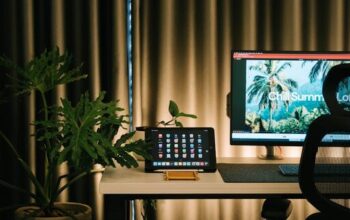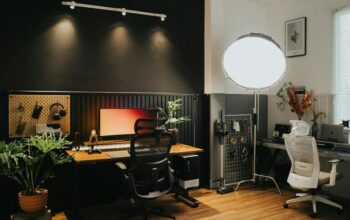
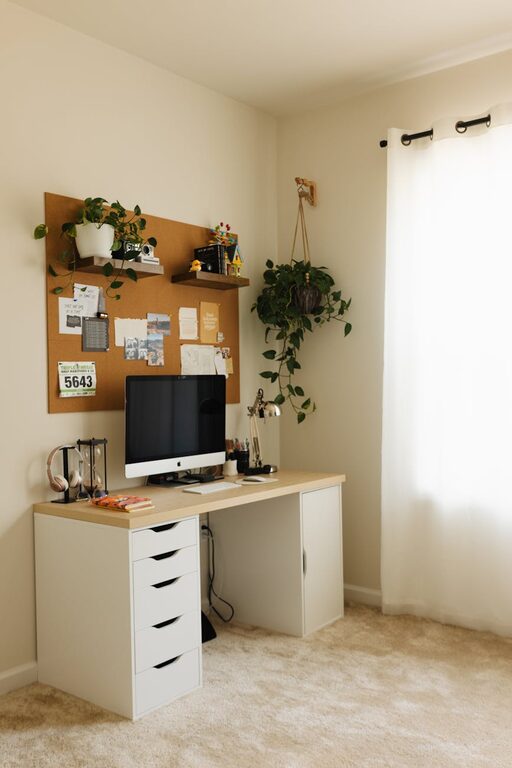
Creating a comfortable and productive home office space is essential for anyone working remotely or managing tasks from home. A well-designed workspace can enhance focus, reduce stress, and improve overall work satisfaction. Whether you have a dedicated room or just a corner of your living space, these tips will help you create an environment that supports your best work.
Choose the Right Location
Your home office location plays a crucial role in your productivity. Ideally, pick a quiet area with minimal distractions.
– Consider natural light: A spot near a window provides natural daylight, which helps reduce eye strain and boosts mood.
– Limit noise: If possible, choose a space away from common household noise like the kitchen or TV areas.
– Space availability: Ensure there is enough room for your desk, chair, and any necessary equipment.
Invest in Comfortable Furniture
Comfort is key when you spend hours working at your desk.
– Ergonomic chair: Select a chair that supports your lower back, encourages good posture, and is adjustable.
– Appropriate desk height: Your desk should allow your elbows to rest at about a 90-degree angle while typing.
– Footrest and keyboard tray: These can further improve posture and comfort.
Organize Your Workspace
A clutter-free space helps keep your mind clear and focused.
– Storage solutions: Use shelves, filing cabinets, or boxes to organize documents and supplies.
– Minimalism: Keep only essential items on your desk to avoid distractions.
– Daily tidying: Spend a few minutes at the end of each day to tidy up your area.
Optimize Lighting
Proper lighting reduces eye strain and fatigue.
– Use a mix of natural and artificial light: Combine daylight with adjustable desk lamps.
– Avoid glare: Position your computer screen to avoid reflections from windows or lights.
– Soft, warm bulbs: These create a calming environment that can improve concentration.
Set Up Technology Efficiently
Reliable technology is crucial for remote work.
– Good internet connection: Ensure your Wi-Fi is strong and stable.
– Monitor placement: Position your monitor at eye level and about an arm’s length away.
– Cable management: Use clips or sleeves to keep cords organized and prevent tangling.
Incorporate Personal Touches
Adding elements that make your space feel welcoming can increase motivation.
– Plants: Indoor greenery can improve air quality and add color.
– Artwork or photos: Personal items that inspire you can boost creativity.
– Inspirational quotes or calendars: These tools can keep you focused and on schedule.
Maintain a Healthy Routine
Your environment is only part of the equation. Establish habits that help maintain productivity.
– Regular breaks: Stand up, stretch, and take short walks to reduce fatigue.
– Set work hours: Define specific start and end times to balance work and personal life.
– Stay hydrated and eat well: Keep water and healthy snacks nearby.
Manage Noise and Distractions
If your home is busy or noisy, try these tips:
– Noise-cancelling headphones: These can help you focus in a noisy environment.
– Background music: Some people find soft instrumental music aids concentration.
– Communicate boundaries: Let family or housemates know your work schedule to minimize interruptions.
Keep It Flexible
Your needs may change over time, so design a space that can adapt.
– Movable furniture: Choose desks or tables that can be rearranged easily.
– Multi-purpose areas: If space is limited, select furniture that can serve multiple roles, like a desk that doubles as a dining table.
Conclusion
Designing a home office that balances comfort and productivity doesn’t have to be complicated. Focus on creating an organized, well-lit, and personalized space that supports your work habits. By paying attention to these details, your home office can become a place where you look forward to spending your workday, helping you stay focused and feel more accomplished.
Try implementing some of these tips today to transform your home workspace into an efficient and comfortable environment that works for you.