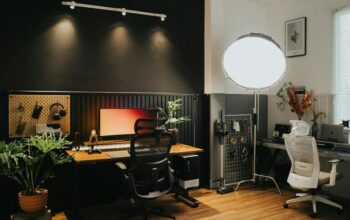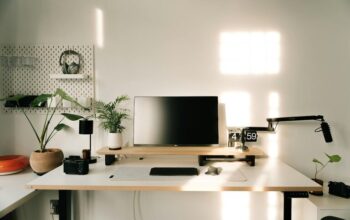
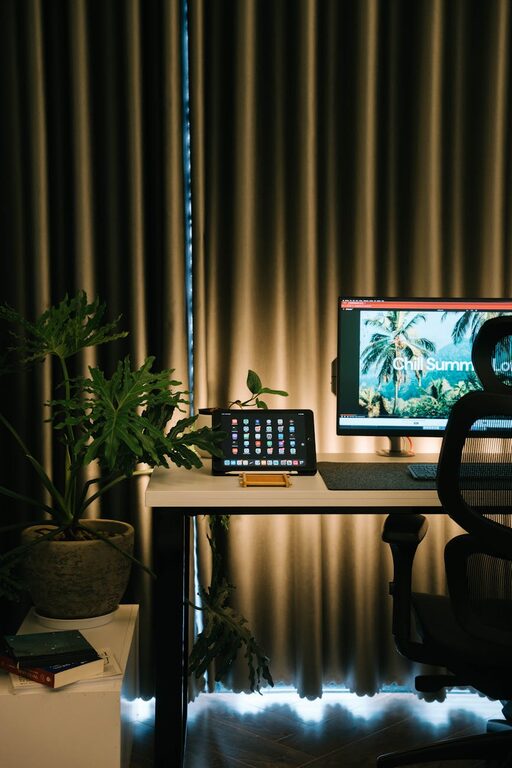
Creating a home office that is both relaxing and productive can significantly enhance your work-from-home experience. A well-designed workspace encourages focus, reduces stress, and helps maintain a healthy work-life balance. Whether you have a dedicated room or a small corner in your living space, these tips will guide you in transforming your area into an ideal home office.
Choose the Right Location
Consider Natural Light
Select a spot with ample natural light if possible. Exposure to daylight improves mood, energy levels, and concentration. Position your desk near a window to enjoy the benefits of sunlight while avoiding glare on your screen.
Minimize Distractions
Find a quiet area away from household traffic and noise. If that’s not possible, consider noise-cancelling headphones or white noise machines to create a focused environment.
Invest in Comfortable and Functional Furniture
Ergonomic Chair and Desk
A comfortable chair that supports your posture is essential for long working hours. Pair it with an adjustable desk or one tailored to your height to avoid strain.
Desk Space and Storage
Choose a desk large enough to hold your essentials without clutter. Incorporate storage solutions like shelves, drawers, or organizers to keep your workspace tidy.
Create an Inviting Atmosphere
Use Calming Colors
Soft, neutral tones such as blues, greens, or light grays are known to promote calmness and focus. Consider painting the walls or adding décor items in these colors.
Add Personal Touches
Incorporate a few personal items like plants, artwork, or photos to make the space welcoming and inspiring without overcrowding it.
Organize Your Workspace Efficiently
Declutter Regularly
Keep only what you need on your desk to avoid distractions. Use cable management tools to keep cords neat and out of sight.
Plan Your Layout
Arrange your workspace so that frequently used items are within easy reach. This saves time and minimizes interruptions to your workflow.
Optimize Lighting
Use Layered Lighting
Combine natural light with task lighting such as desk lamps and ambient lighting to reduce eye strain. Adjustable lighting allows you to tailor brightness throughout the day.
Avoid Glare
Position lighting to avoid reflections on your computer screen. Soft, diffused light is preferable for comfort.
Incorporate Technology Thoughtfully
Reliable Equipment
Invest in reliable tech like a good internet connection, a quality monitor, and a comfortable keyboard and mouse to improve efficiency.
Minimize Distractions
Turn off unnecessary notifications and keep your digital workspace organized to stay focused.
Establish Boundaries and Routines
Designate Work Hours
Set clear start and end times for your workday to balance productivity and relaxation.
Create Rituals
Whether it’s a morning coffee or a five-minute stretch, small rituals can signal your brain to transition into work mode.
Encourage Movement and Breaks
Take Regular Breaks
Step away from your desk every hour to stretch or walk around. This helps reduce fatigue and maintain focus.
Add a Standing Option
If possible, consider a sit-stand desk to alternate between sitting and standing during the day.
Maintain Good Air Quality
Ventilate Your Space
Open windows to circulate fresh air regularly. You can also use air purifiers to improve indoor air quality.
Add Plants
Indoor plants not only improve air quality but also add a calming natural element to your office.
Final Thoughts
Designing a home office that balances relaxation with productivity involves a blend of ergonomic choices, organized surroundings, pleasing aesthetics, and mindful routines. By paying attention to these elements, you’ll create a workspace that supports your well-being and helps you perform at your best. Remember, your home office should be a place where you feel comfortable, focused, and inspired every day.